Johnwood Hotel by Bolton, Abuja — August 9, 2025
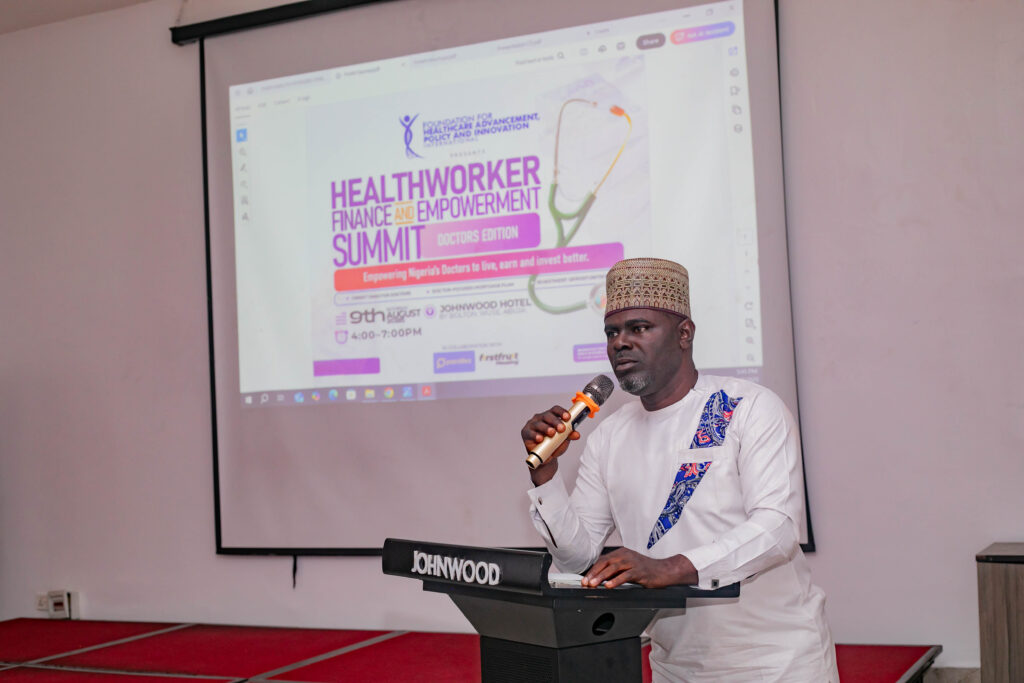
On August 9 2025, the Foundation for Healthcare Advancement and Policy Innovation (FHAPI) hosted the Health Workers Finance & Empowerment Summit, bringing together doctors, developers, mortgage experts, and bankers to tackle a pressing national challenge: how to empower and retain Nigeria’s healthcare workforce through practical financial and housing solutions.
Below is a concise, chronological recap of what happened, the questions that mattered, and the answers that point the way forward.
Opening: Purpose, Progress, and People
Dr. JoshuaDaniel, Executive Director of FHAPI, opened the summit with a direct, compassionate call to action. He reminded the audience that FHAPI is less than six months old but already active — from championing the Emergency Care Act Bill, to launching clinical research into sickle cell disease and viral co-factors, to building partnerships that deliver real-world solutions.
Dr. JoshuaDaniel introduced himself briefly as a clinician and advocate with international experience and a track record in policy engagement. He outlined the core problem: Nigeria faces rapidly growing care needs (a maturing millennial/Gen Z cohort entering reproductive age and a rising geriatric population) while simultaneously losing health workers to emigration. That gap, he argued, is not a problem for government alone — civil society and the private sector must act.
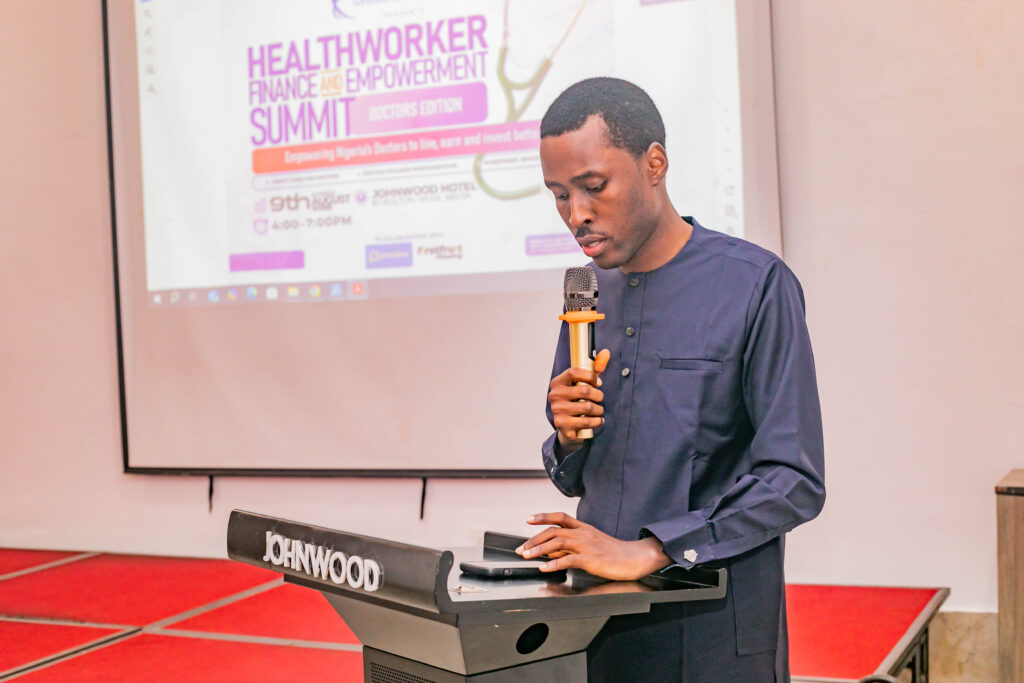


He framed the summit as a deliberate attempt to break a destructive cycle: perceived neglect → reduced morale → declining empathy and public trust → further demoralization. FHAPI’s response is practical: pilot bank-backed mortgage models and tailored financial products (including a doctor-focused credit card) that make welfare improvements tangible and scalable.
Program Highlights
FirstFruit Housing took the stage first to showcase their housing models. Attendees saw 3D visualizations and detailed walkthroughs of proposed unit types, design features, and previous projects. The developer emphasized livability, security, and finishes up to fittings level, and explained how modular choices can keep costs down while giving buyers flexibility.
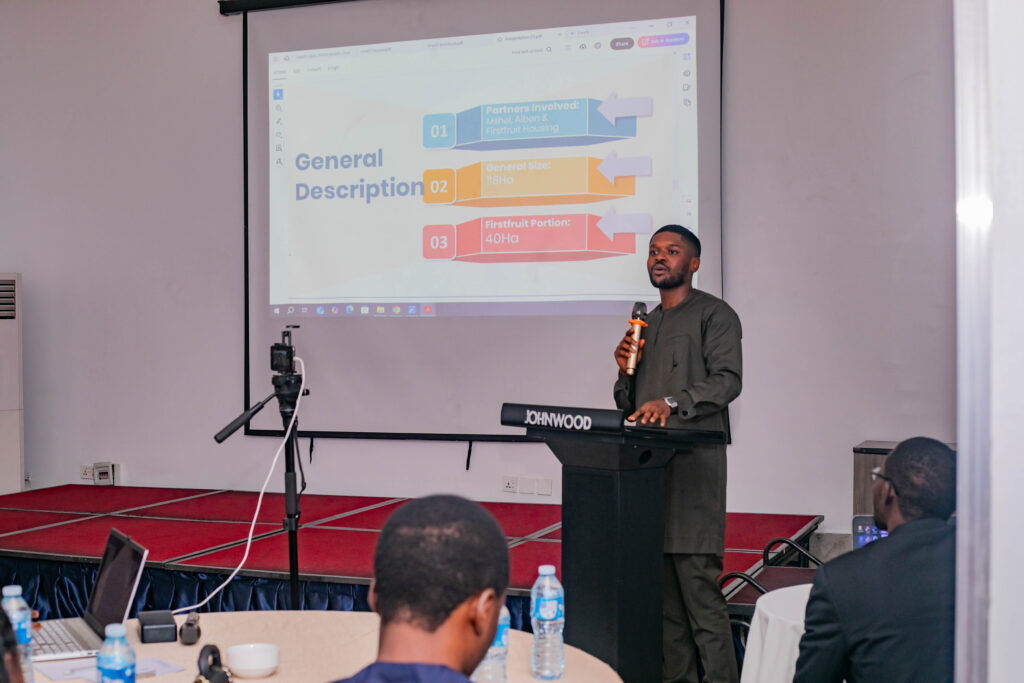
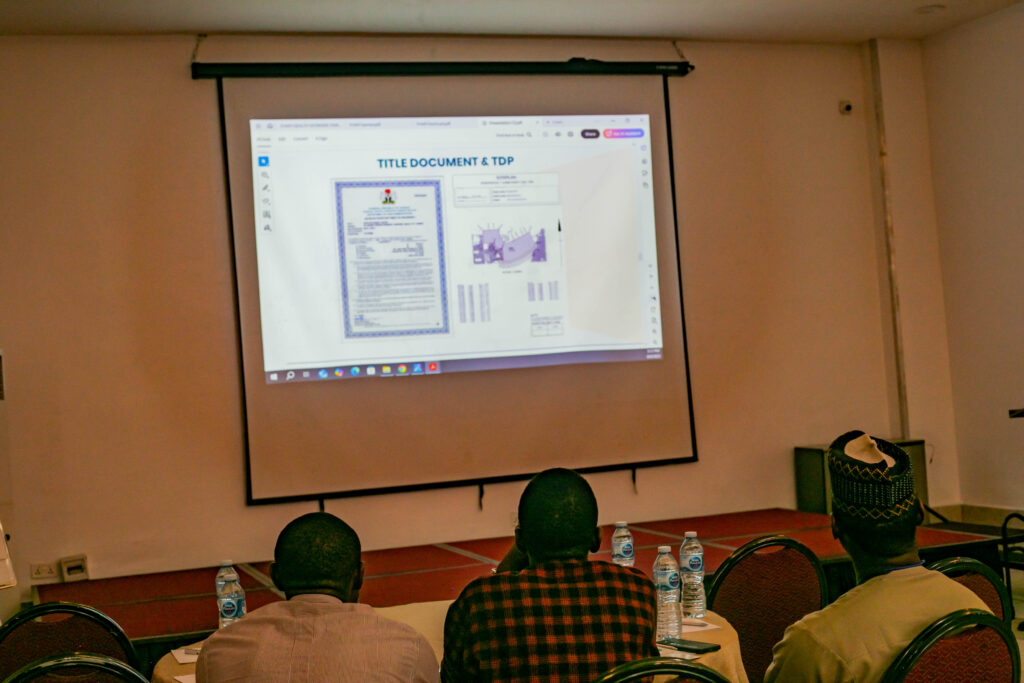
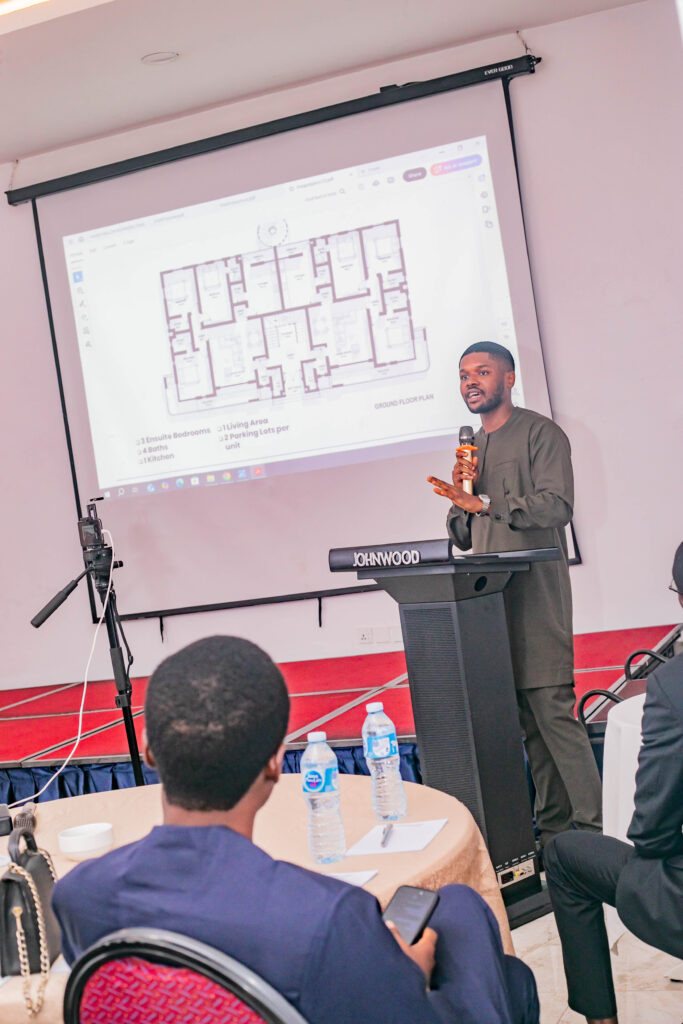
Next, A FHAPI housing & Mortgage consultant walked through practical steps and strategies for accessing home finance in Nigeria’s current economic climate. Rather than sell a product, he explained the bank-led mortgage model that FHAPI is advocating — where banks finance and developers build — underscoring why this separation protects buyers and the sustainability of projects.
He then explained doctor-friendly acquisition strategies: combining NHF (National Housing Fund) access, structured deposits, and clear milestone monitoring to ensure transparency and protect off-taker funds. The consultant also outlined the pilot’s mechanics — designed to be manageable, auditable, and reproducible.
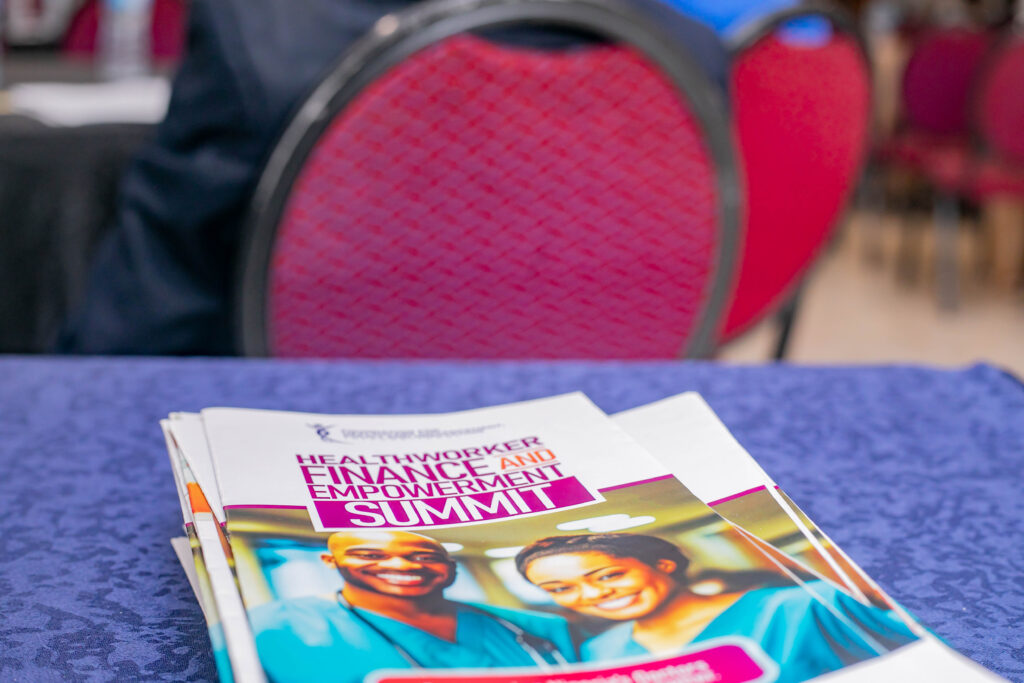

Parallex Bank introduced the Medic Credit Card, a credit product tailored for doctors. The presentation focused on how disciplined, responsibly used credit can provide flexibility for emergencies, equipment purchases, short-term cashflow, and investment opportunities — not a quick-fix debt trap. The emphasis was on credit as a tool when paired with financial literacy and prudent limits.

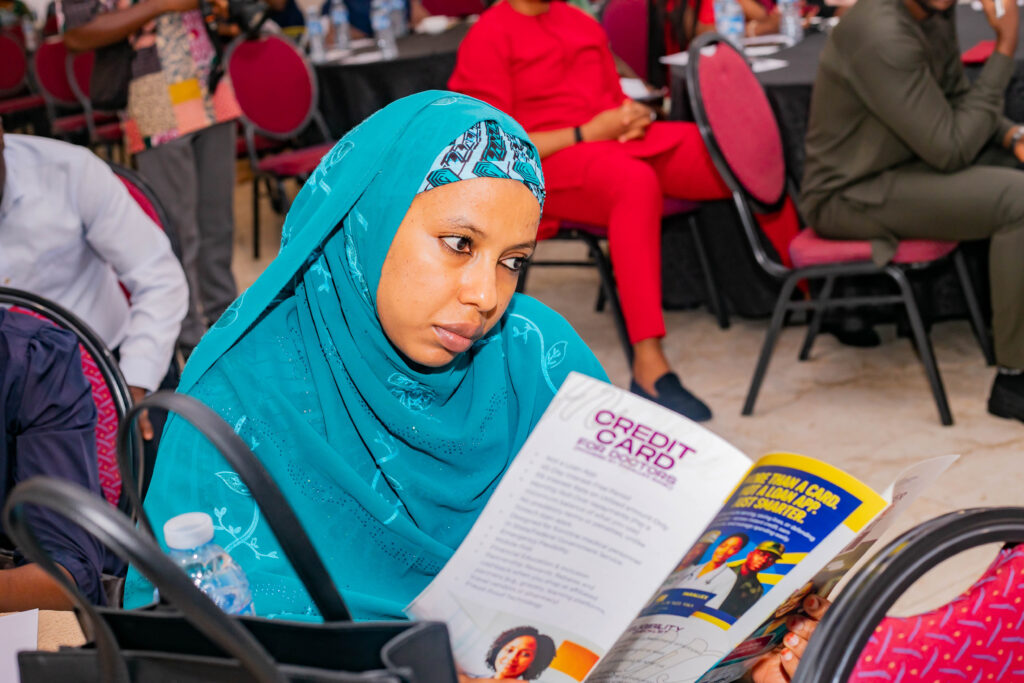

The evening closed with a lively interactive Q&A, followed by a wrap-up of next steps, a vote of thanks, and informal networking where attendees had direct access to facilitators for one-on-one inquiries.


What People Asked — Key Concerns & Answers Given
Q: Previous schemes failed and people lost money — why would this one be different?
A: A central reason past projects failed was role conflation: developers attempted to finance and sell directly, functioning as both builder and lender. Developers are not financial institutions and are vulnerable to shocks (interest rate spikes, currency volatility). Our model places banks as financiers and developers as builders — the global best practice. Additionally, strict escrow arrangements, project milestones, independent valuation, and legal covenants will protect buyer funds and create transparency. FHAPI, the bank, and the developer will sign tripartite agreements with clear deliverables and penalties.
Q: How do we prevent a lack of transparency or “vanishing” funds?
A: All deposits and buyer equity are lodged in escrow accounts managed by the bank (not the developer). Disbursements happen against certified milestones and an independent project consultant’s sign-off. Buyers maintain visibility of the funds in their accounts. That public, auditable trail prevents the opacity that undermined earlier efforts.
Q: The house designs seem small for families — will there be larger options?
A: The pilot offers starter options to maximize affordability and reach. Buyers can choose the model that fits their needs or top up equity for larger units. The program is deliberately flexible: two primary price points were presented to serve different cadres, but the design and expansion pathway allow for larger family units as demand and funding permit.
Q: Will the scheme truly be affordable for junior doctors?
A: Affordability is core. The pilot pairs NHF-backed mortgages (at lower rates) with reasonable equity contributions and long tenors keyed to years-to-retirement. The pilot’s purpose is to test and optimize repayment profiles — we will be iterating based on actual affordability data.
The Pilot: Start Small, Learn Fast, Scale Later
FHAPI emphasized that this launch is a pilot of 35 units—deliberately small to ensure delivery quality, iron out operational issues, and produce rigorous evidence that can support national scale-up. The pilot is meant to be repeatable and scalable; success here will form the template for nationwide rollouts.
Partner Acknowledgements
FHAPI thanked its lead partners for buying into the vision: FirstFruit Housing, Imperial Homes Mortgage Bank, and Parallex Bank. Negotiations took months; these partners committed to workable offers and to the disciplined governance structures that protect doctors and make the model investible.
Closing & What Comes Next
The summit concluded with clear next steps: on-site signups, follow-up technical sessions for interested doctors, detailed one-on-one interviews for mortgage pre-qualification, and an invitation to participate in the pilot. FHAPI reiterated that additional initiatives will roll out in the coming weeks in support of workforce welfare.
🎬 Watch the full recording of the summit here: [Full Video — Watch Now]
One response to “Health Workers Finance & Empowerment Summit — Event Recap”
If you are interested in signing up to one of the initiatives; Mortgage or Credit Card, kindly fill the form here: https://healthadvancement.ngo/healthworker/