Last week marked a major leap forward in our ongoing journey to better understand the intersection of Cytomegalovirus (CMV) and sickle cell disease (SCD). This study, one of the first of its kind in Nigeria, aims to investigate how CMV viral load may influence the severity of sickle cell disease in both children and adults.
The study is guided by a central question:
Can CMV — a common but often overlooked virus — play a role in how sickle cell disease progresses in patients?
This isn’t just an academic inquiry. It’s about delivering answers that could improve care for millions of people living with sickle cell disease, particularly across Africa, where the burden is highest.
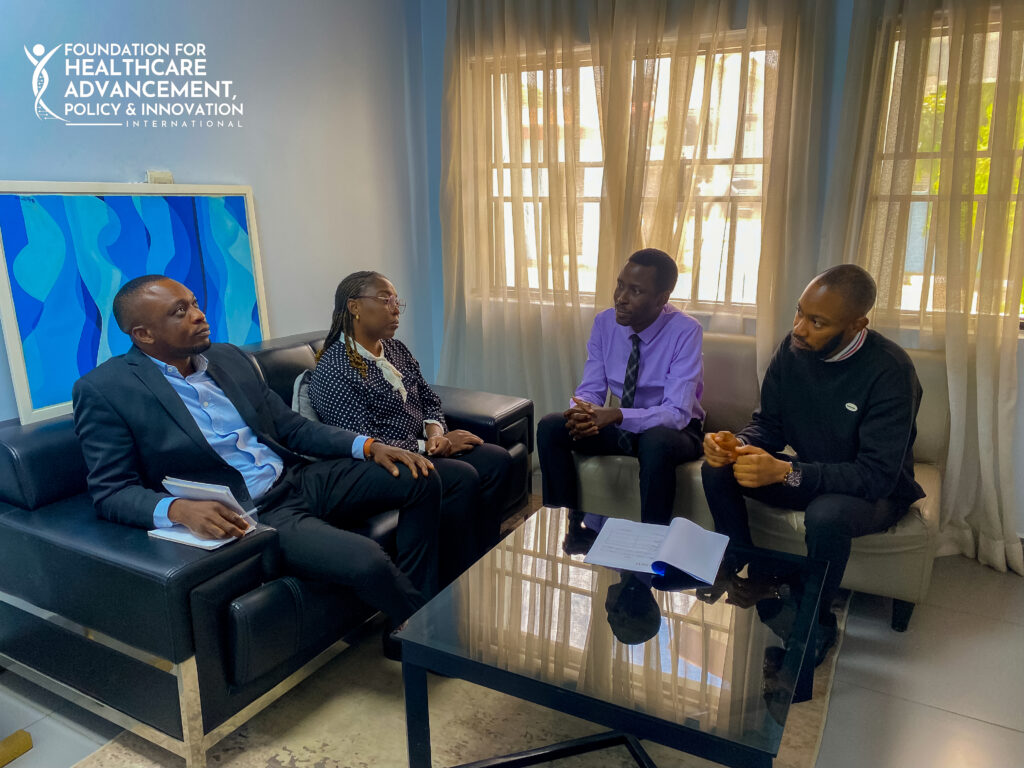
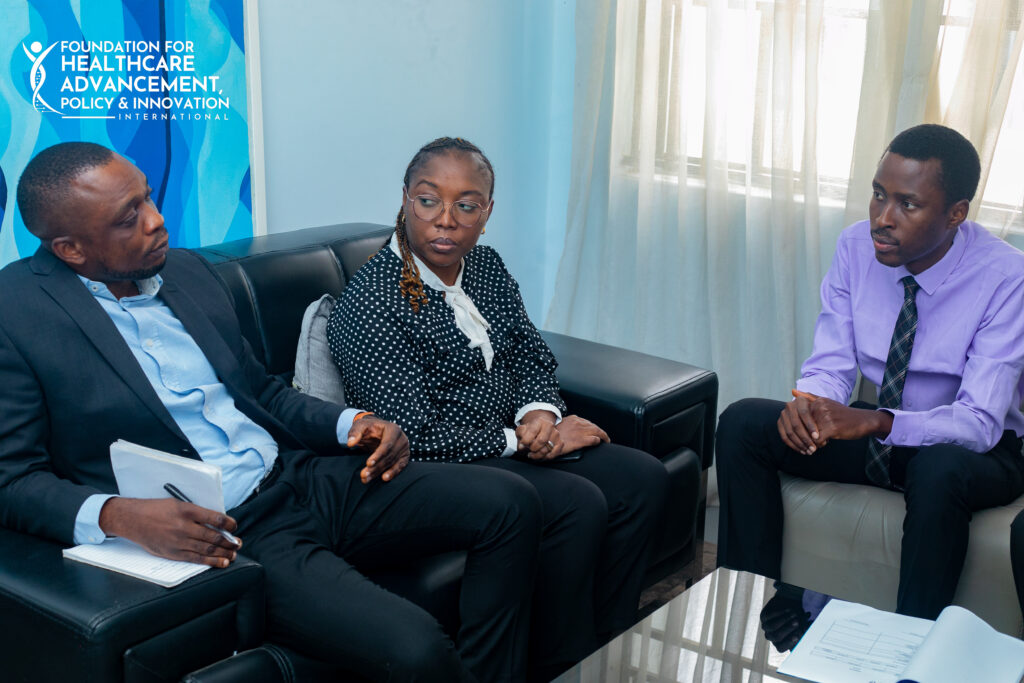
Here’s what we accomplished last week:
Ethical Approval Secured
We received full approval from the relevant institutional Health Research Ethics Committee (HREC), officially green-lighting the start of our research activities. This approval ensures that the study upholds the highest ethical standards for participant protection and scientific integrity.
Partnership Formalized
We signed a formal Memorandum of Understanding (MOU) with our partner laboratories in Nigeria and abroad. These labs will support the study through professional sample collection, proper cold chain management, and testing at international reference facilities.
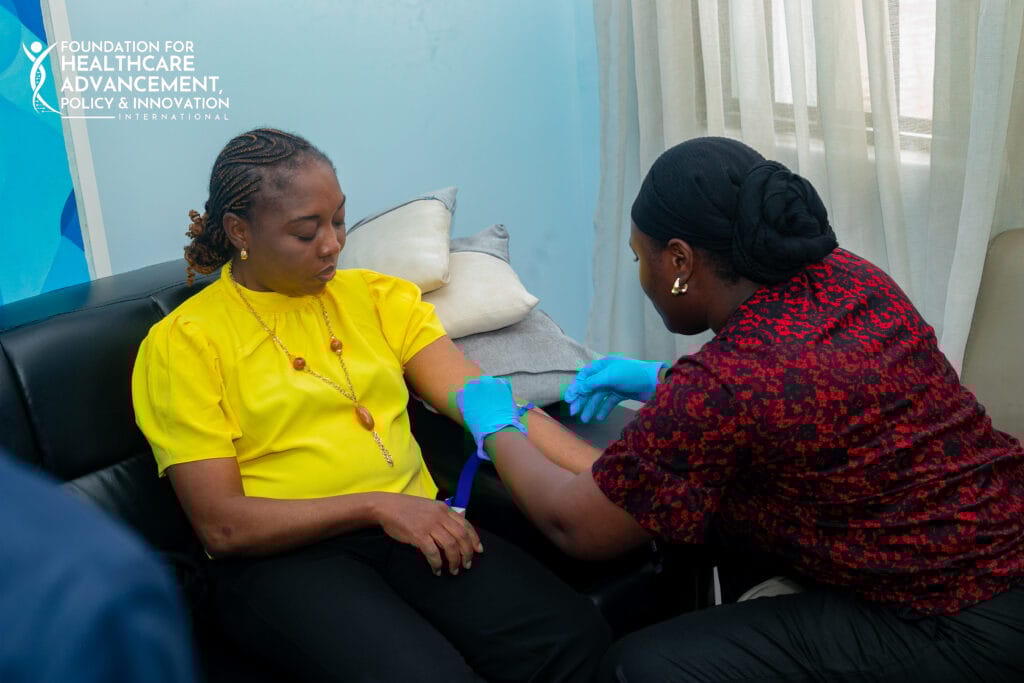
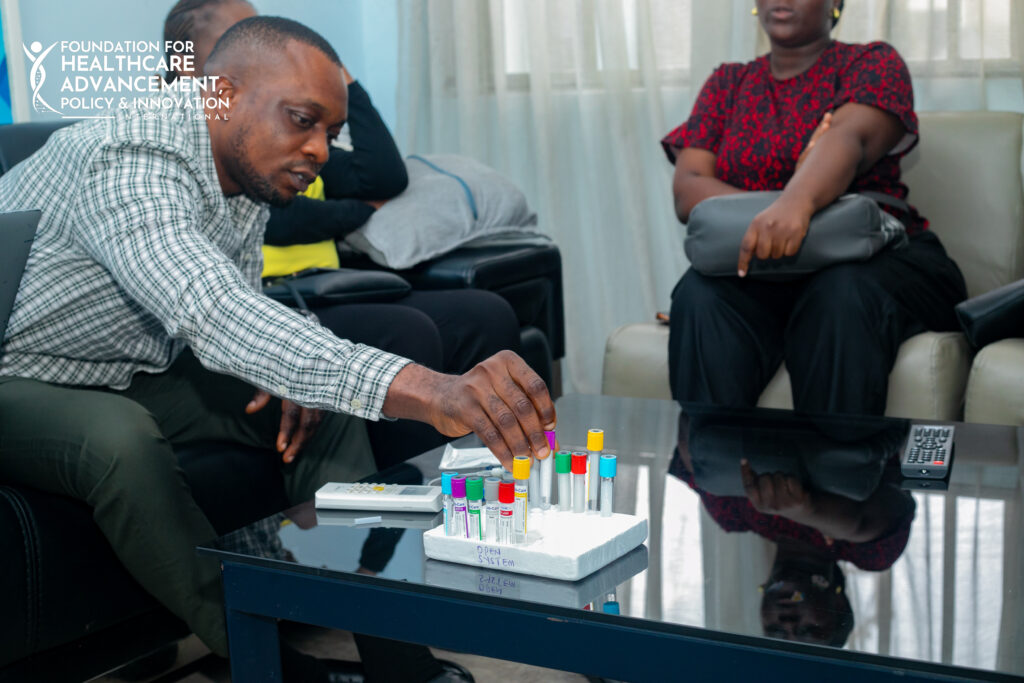
Training for the Research Team
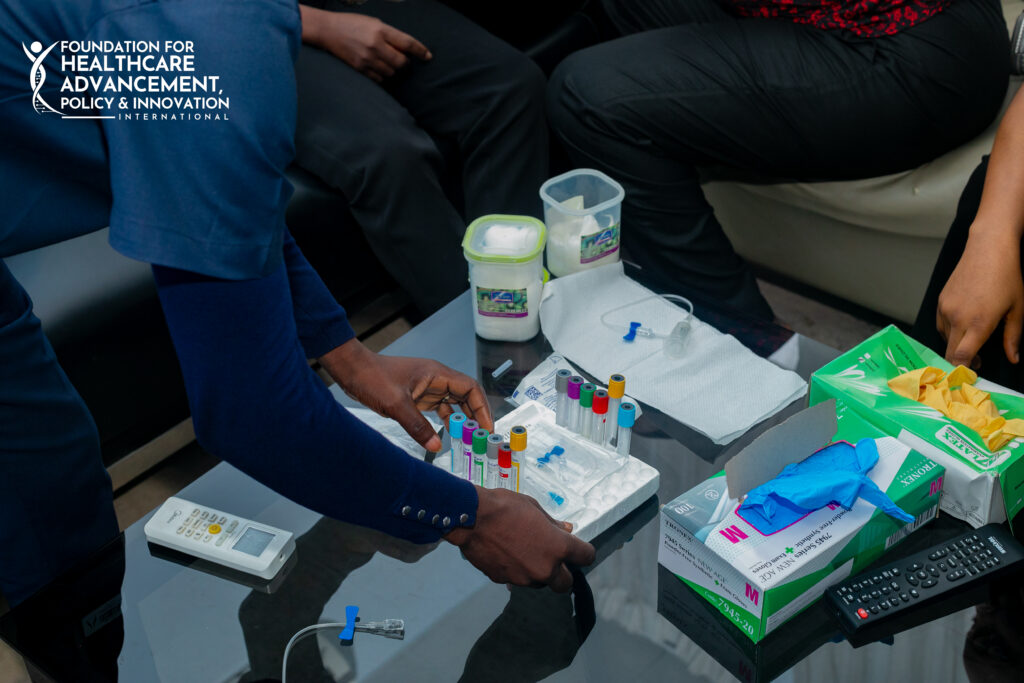
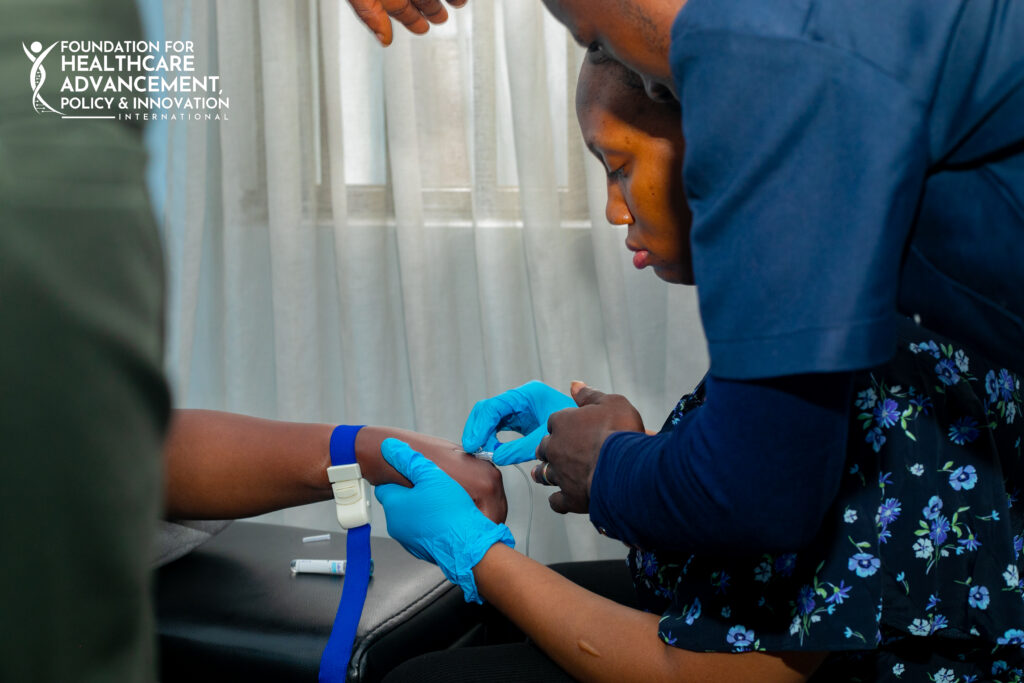
Our principal investigator and research assistants participated in a full-day, hands-on training session on best practices in sample handling. The session covered procedures from blood collection to packaging and transportation — all aligned with international laboratory protocols. The training ensures our team is equipped to maintain sample integrity from collection to analysis.
Why This Study Matters
Sickle cell disease is one of the most widespread genetic disorders in Nigeria, affecting millions of individuals and families. While much is known about its genetic roots, less is understood about how infections like CMV may complicate or intensify symptoms. This study seeks to fill that gap.
By focusing on the Nigerian context — with its unique population, disease patterns, and healthcare challenges — we aim to produce data that is relevant, contextual, and actionable. The hope is that our findings will not only inform clinical care but also shape public health strategies and future research directions.
Looking Ahead
With training complete and partnerships in place, we are now set to begin patient recruitment and sample collection. Each step brings us closer to data that could offer new hope to individuals and families managing sickle cell disease.
This is more than a study. It’s a mission to build knowledge, advance care, and put African science on the global map.
Stay with us as we document this journey — from the lab bench to real-world impact.